
Growing Arlington
Rural to Residential
At the beginning of the nineteenth century, Arlington’s civic leaders and real estate investors sparked housing market growth by emphasizing the conditions that they viewed as essential. Their goal was to transform Arlington from a
rural to residential community.
They began by focusing on crime reduction and promoting roads and railways, as well as municipal water and sewer lines. 1 All of these modern amenities became key selling features, contributing to Arlington’s appeal as a desirable residential suburb outside of Washington, DC. Citizens associations emerged to represent the interests of those moving to Arlington’s new subdivisions.
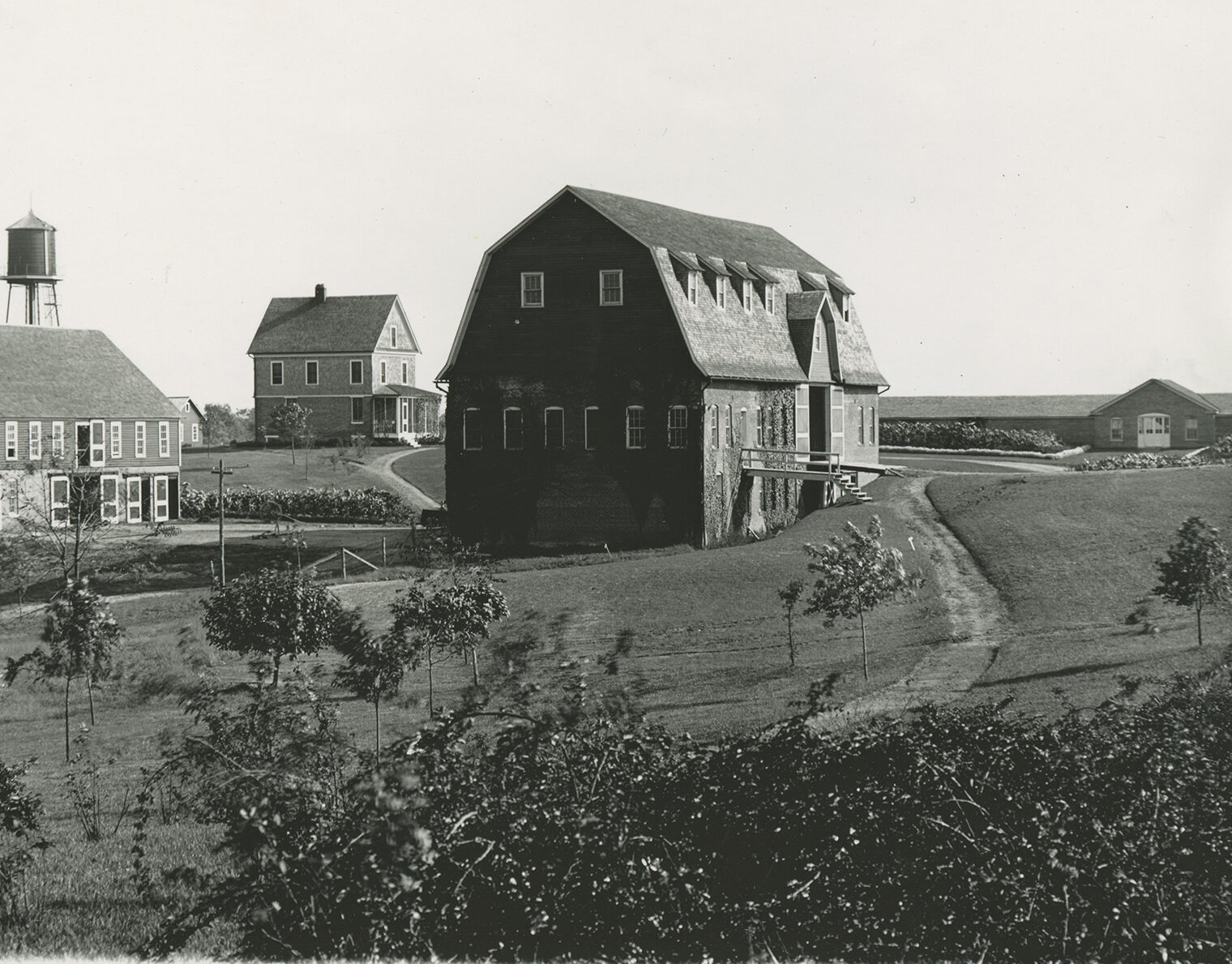
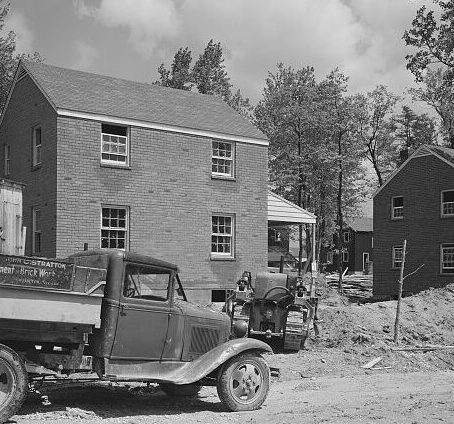
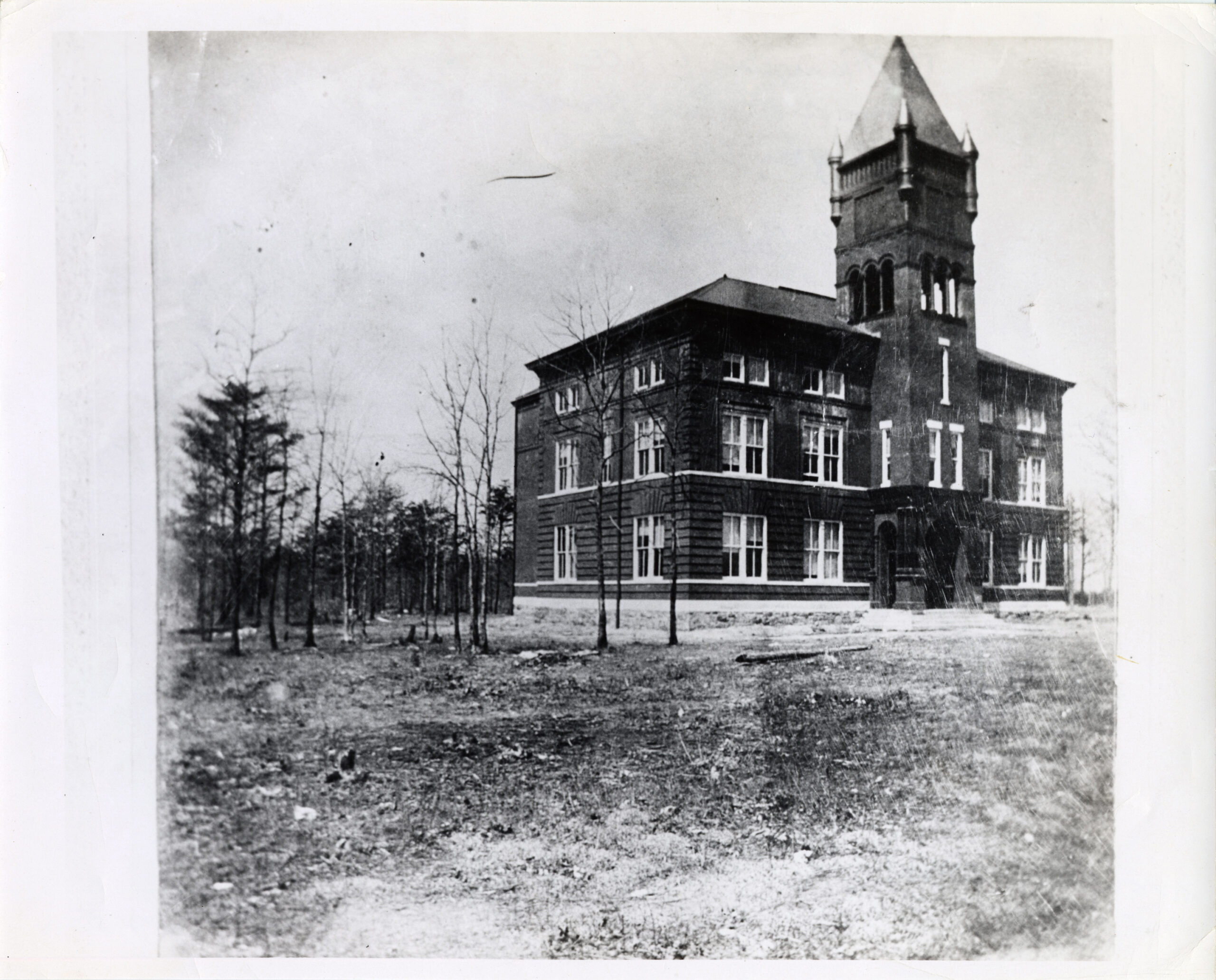
Arlington’s residential growth began in the early 1900s, when Virginia’s Progressive Movement was focused on restoring moral order and cleaning up crime. 2 Sometimes referred to as the “Monte Carlo of the East,” businesses that were located along the Potomac River included saloons, brothels, race tracks, and gambling houses. 3 Arlington’s civic leaders targeted these businesses in their efforts to reduce associated criminal activity. Early civic leaders and concerned citizens believed they were paving the way to a future of growth and progress. 4
Arlington experienced rapid population growth shortly after 1900. Census data indicates that in 1900 there were 6,487 residents in Arlington County, of which 62% were white and 38% were African American.
5 By 1920, the population continued increasing, reaching 16,040 residents.
6 Throughout this period, federal government expansion and the associated need to accommodate more employees generated a demand for housing. The county’s easy access to Washington, DC combined with this housing demand spurred
a rapid increase in housing construction. Civic leaders and real estate investors promoted Arlington as a healthy place to live and own land.
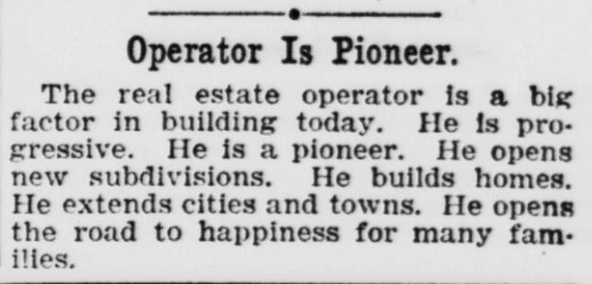
The farms of Arlington were purchased and subdivided into smaller parcels of land, transforming the county from a rural to a suburban landscape. A number of local businessmen in Arlington were “real estate operators,” who developed
residential properties in Arlington.
7
The number of families attracted to Arlington increased as subdivisions were built to house new residents. Lyon Park and Lyon Village, along with Ashton Heights, Livingstone Heights, and others were among the early subdivisions constructed by real estate operators. 8 The tremendous growth in population made it difficult to keep pace with demand, a challenge that persists even today.
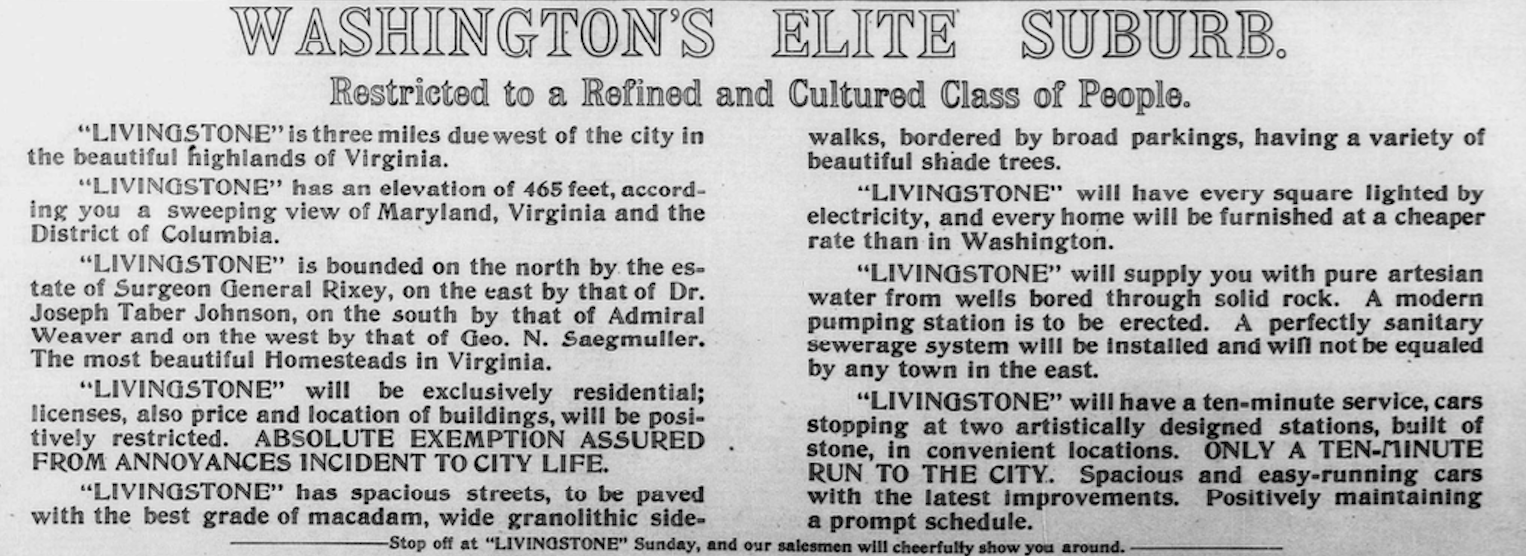
Many aspects of Arlington appealed to African Americans who were also attracted by federal jobs and homeownership opportunities. African American rates of land ownership were relatively high and continued to increase early in the 1900s. Census data shows that the number of Black homeowners increased from 59% in 1900 to 64% in 1920, which was higher than the national average at the time. 9 Despite exclusion from most of the county’s new subdivisions, African Americans purchased and subdivided land to create property ownership opportunities in, among others, three of these communities that remain visible today: Green Valley/Nauck; Highview Park/Halls Hill; and Johnson’s Hill/Arlington View.
Map of Arlington County (then Alexandria County) VA for the Virginia Title Company, 1900. Courtesy, Library of Congress.
Real estate practices primarily focused on expansion of racially restricted communities.
10 In addition, the demolition of African American communities in both Arlington and Alexandria (i.e. the construction of the Pentagon and associated highways) led to housing shortages that continued as the New Deal and later
World War II brought new workers to the region. Local business practice and federal policies limited financing available for working African American families.
Accounts of “growing Arlington” often center on the importance of hard work for getting ahead, although Arlingtonians of color were required to work harder than others to acquire loans. For example, it was common practice for lenders
to require that African American families pay for their land prior to building a home on the land, a practice that significantly delayed homeownership.
The following oral history interview describes the additional steps that were required for one African American Arlingtonian, Floyd Hawkins, to become a home owner:
Floyd Hawkins: I bought 2 acres of land from Ashton Jones for $700 at the end of 19th Street. This was before the country club was built there. I got an extra job and I paid for that land
– every week I was out here paying on that land. Ashton Jones said he never saw anybody pay for a piece of ground so quickly. And we were so proud of it. We’d come out here and have picnics on the land, you know, before I had the
house built.
Interviewer: This was the father of Ashton Jones, Jr. now living.
Floyd Hawkins: Yeah, Ashton Jones – – – that’s the junior – – I mean the senior, Ashton Jones.
Interviewer: So how long was it before you built a house? Now when did you buy the property?
Floyd Hawkins: I bought the property in 1920. I had a house built on the property after I’d paid for the land. I had a house built and we moved out there in 1925. 11
Although the number of African Americans living in Arlington grew despite increasing exclusion, the number of African American homeowners did not sustain the same growth rate that occurred immediately after the Civil War, and certainly did not keep pace with the rates for white residents moving to Arlington. 12 As a result, population growth of and homeownership among white families dominated residential growth in Arlington.
Arlington County’s civic leaders emphasized the importance of improving the County’s modern amenities such as roads and utilities.
Roads & Rails
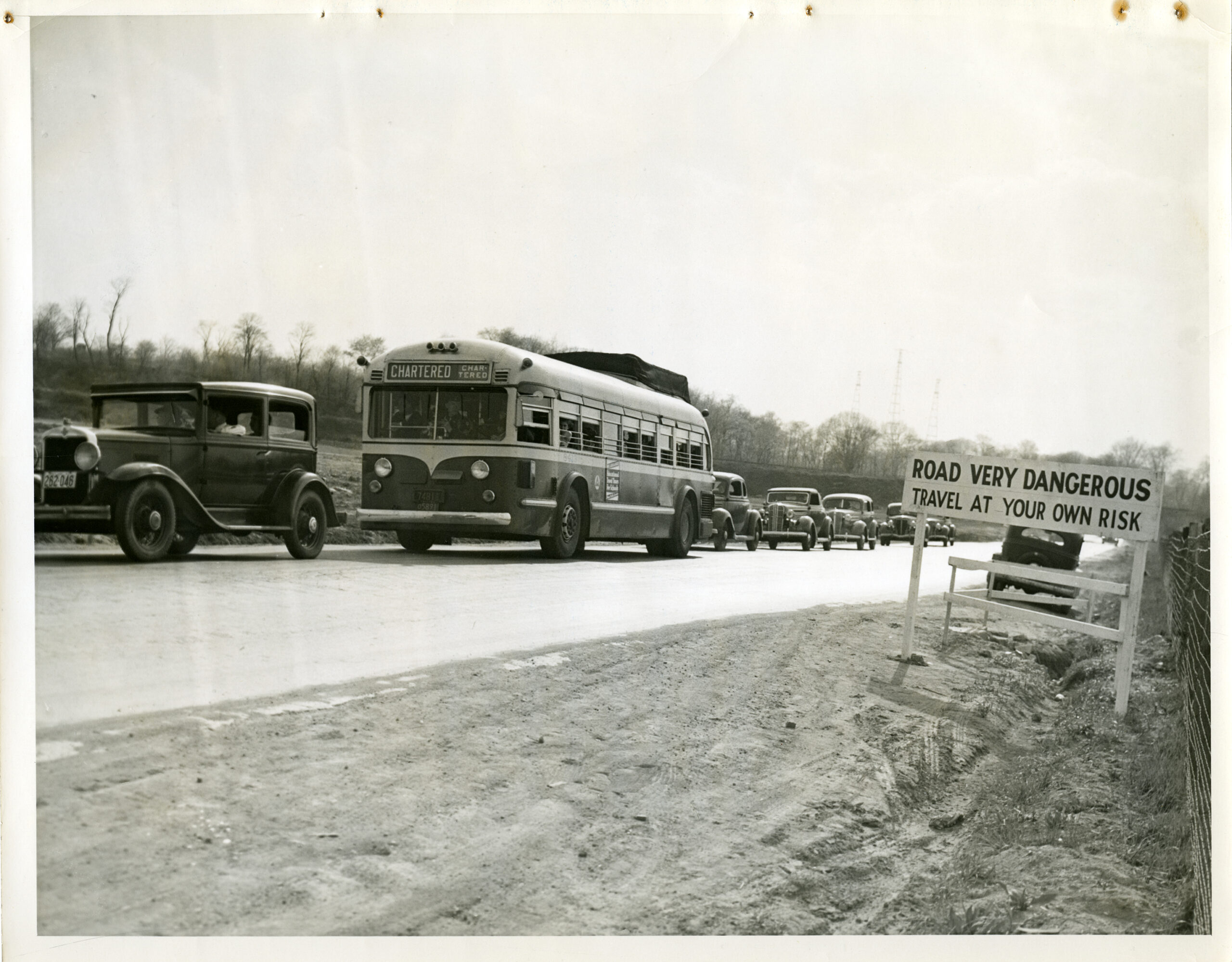
The county’s population growth and development depended on improved transportation routes so commuters could quickly cross the Potomac River. Building passable roads, and constructing electric railroads and trolleys enticed families to live in Arlington. The newly constructed subdivisions that were located along these transportation lines included Addison Heights, Johnston’s Hill, Queen City, Nauck, Butler-Holmes, Barcroft, Glencarlyn, Bon Air, Fostoria, High View Park, Hall’s Hill, Cherrydale, Clarendon, Ballston, Fort Myer Heights, and Rosslyn.
Sewer
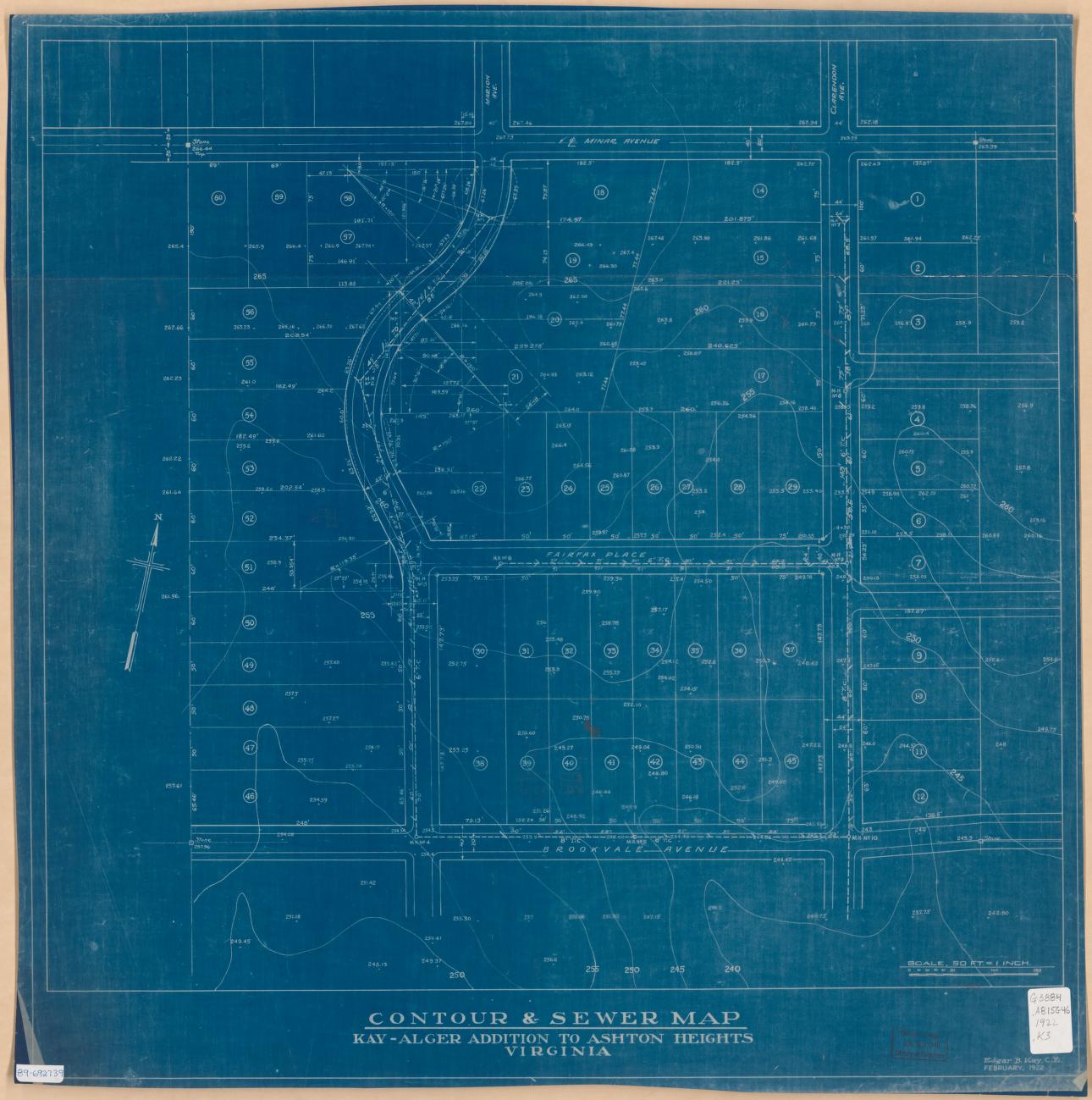
Real estate developers assured prospective residents that living in Arlington offered the same modern conveniences that were associated with city living, particularly water and sewer access. Initially, developers funded these conveniences and installed private water meters and sewer lines. Later, county taxes and government grants funded these improvements. 13
Water
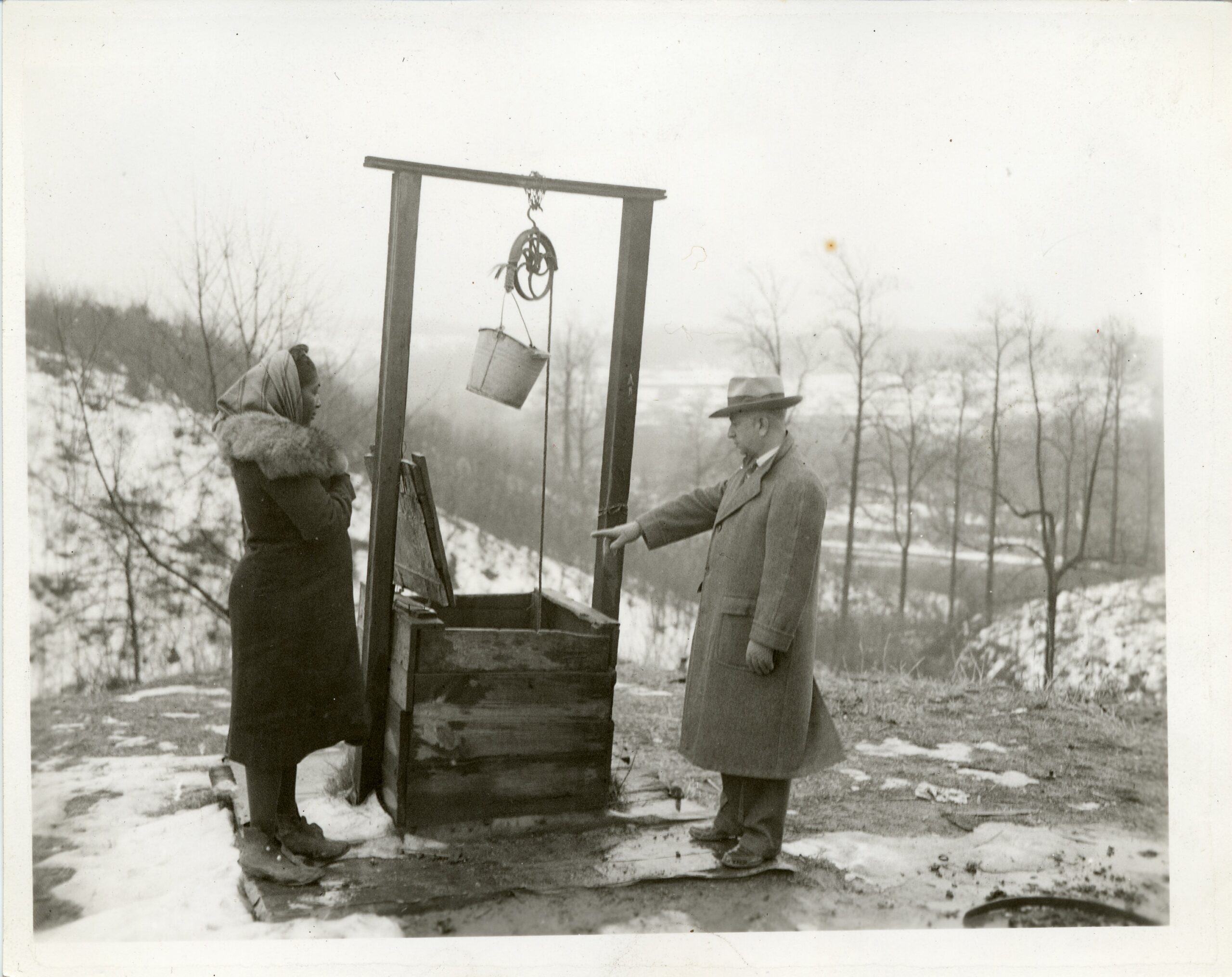
While newer subdivisions included a plan for modern amenities in their deeds of dedication, many areas remained on well water and septic systems. It was not until federal and state subsidies were available that countywide infrastructure was possible.
The uneven development of and ability to access municipal services allowed real estate investors to purchase what they labeled “undeveloped” land, such as the parcels found in African American enclaves, at lower prices. Because of their social and political connections, these real estate investors were then able to secure such county services, thereby increasing the value of those properties.
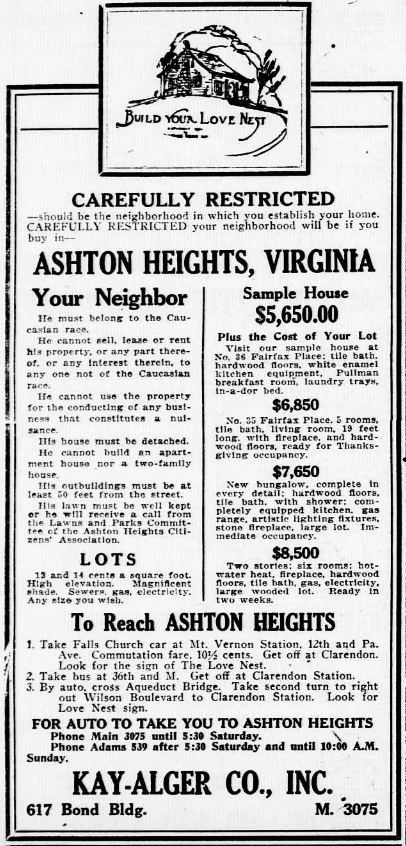
Active citizen associations advocated for Arlington’s development, promoting the interests of their individual neighborhoods, often to the exclusion of others. 14 One of Arlington’s early subdivisions was Ashton Heights, with home construction starting in 1921. In this early ad for the subdivision, prospective buyers were encouraged to join others like themselves.
The progressive spirit of purchasers of Ashton Heights property has already been shown in the organization of an Ashton Heights Citizens’ Association. 15
Promotional articles for Ashton Heights credit the active Citizen Association for attracting buyers:
The rapid growth of Ashton Heights is due largely to the enterprise of the Citizens’ Association…. An unusually splendid community spirit exists among the citizens and each property owner is vitally interested in securing new members who will assist in maintaining the present high standard of citizenship. 16
1 As an example of this approach, see the discussion of development in C. B. Rose’s community history of Arlington County. C. B. Rose, Jr., Arlington County, Virginia: A History (Arlington, VA: Arlington Historical Society), 138-145.
2 During the Progressive Era, state and local government assumed a greater role in road and infrastructure development, education, and public health reforms as well as maintenance of law and order. Prohibition and racial segregation were viewed as integral tools. Raymond H. Pulley, Old Virginia Restored: An Interpretation of the Progressive Impulse, 1870-1930 (Charlottesville: University of Virginia Press, 1968).
3 Michael Lee Pope Shotgun Justice: One Prosecutor’s Crusade Against Crime and Corruption in Alexandria and Arlington (Charleston, SC: The History Press, 2021), 32.
4 J. Elwood Clements, Interview by Theda Nichols, May 5, 1976, transcript, Charlie Clark Center for Local History, Arlington Public Library. See also Eleanor Lee Templeman’s discussion of the Good Citizen’s League. Eleanor Lee Templeman, Arlington Heritage: Vignettes of a Virginia County (New York: Avenue Books, 1959), 79.
5 Rose, 156-158; Nancy Perry, Spencer Crew, Nigel M. Waters, “‘We didn’t have any other place to live’: Residential Patterns in Segregated Arlington County, Virginia,” Southeastern Geographer, 53, no. 4 (Winter 2013): 422.
6 Mark Schwartz., ” What the 1920 Census tell us about Arlington,” September 20, 2020, About Arlington–2020 News Articles List, accessed December 10, 2024, https://www.arlingtonva.us/About-Arlington/Newsroom/Articles/2020/What-the-1920-Census-Tells-Us-About-Arlington-100-Years-Ago-Today.
7 ” Operator is Pioneer,” Evening Star (Washington, DC) August 13, 1927, accessed December 10, 2024, Chronicling America: Historic American Newspapers. See also Charles W. Smith, Interview by Lee Metcalf, December 19, 1975, transcript, Charlie Clark Center for Local History, Arlington Public Library.
8 Many of these early subdivisions advertised their exclusivity, often reinforcing marketing efforts to white families with racially restrictive covenants in bargain & sale deeds and/or deeds of dedication.
9 Perry, Crew, and Waters, 422.
10 For example, a racially restrictive covenant found on bargain & sale deeds for lots in Livingstone Heights stated, “that the premises hereby conveyed shall never be sold, leased, rented or in anyway conveyed to any person or persons of African descent.” Deed 119-16 (1908), Land Records Division, Courts and Judicial Services, Arlington County, VA. Lots sold during the 1920s in this same subdivision included racial covenants such as this one: “Neither said property nor any part thereof ·nor any interest therein shall be sold or leased to anyone not of the Caucasian race.” Deed 231-17(1925), Land Records Division, Courts and Judicial Services, Arlington County, VA.
11 Floyd Hawkins, Interview by Ruth “Cas” Cocklin, March 21, 1986, transcript, Charlie Clark Center for Local History, Arlington Public Library.
12 Nancy Perry, “African American Life In Arlington, Virginia, During Segregation: A Geographer’s Point Of View,” The Metropole (blog), Urban History Association, February 21, 2019, accessed December 10, 2024, https://themetropole.blog/2019/02/21/african-american-life-in-arlington-virginia-during-segregation-a-geographers-point-of-view/.
13 County responsibility for water and sewer lines has been a consistent concern for civic leaders starting in the 1930s. Some of the minutes from these meetings are available electronically on the Arlington County Government’s website.
14 Rose, 168-169.
15 [ Advertisement – Ashton Heights], Evening Star (Washington, DC) October 15, 1921, accessed December 10, 2024, Chronicling America: Historic American Newspapers.
16 ” Ashton Heights Reports Many Home Sites Purchases,” The Washington Herald (Washington, DC) June 18, 1922, accessed December 10, 2024, Chronicling America: Historic American Newspapers.